
Safety and Trail Etiquette
SxS Trail Etiquette Guide
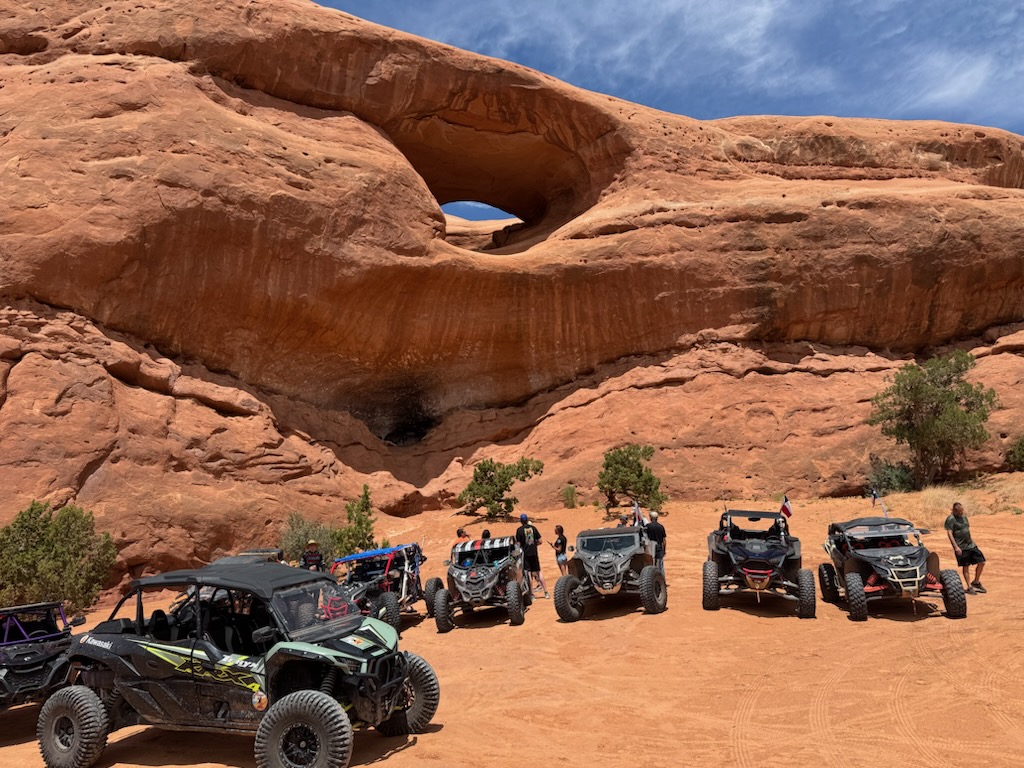
Support responsible riding with trail etiquette tips for marked routes, trash, private land, passing, dust, noise, campground manners, and trail access.
Quick summary
This guide is built for riders who want practical trip planning help without hype. Use it as a starting point, then verify current rules with the official riding area, event organizer, state agency, or land manager before you load the trailer. Rules can change by season, land type, machine width, age, permits, helmets, flags, spark arrestors, fires, camping, and event insurance.
Start with the right destination
A good ride starts with matching the location to your machine, group, and comfort level. Browse parks and trails by state, then look at terrain, camping and lodging notes, vehicle fit, and links to official websites when available. If you are planning around a calendar date, check upcoming events and follow the official event page for the latest registration and schedule details.
What to verify before you travel
Do not assume rules are the same from one park, trail system, dune area, or race venue to the next. Before leaving, confirm open days, fees, vehicle requirements, helmet or seat belt rules, flag or whip requirements, width restrictions, fire restrictions, camping availability, pet policies, quiet hours, and whether a permit or membership is required. Save the official page or phone number in case reception is limited.
Packing and machine prep
Bring water, snacks, weather layers, basic tools, tire repair supplies, a tow strap or soft shackle, a first aid kit, trash bags, and any required safety equipment. Check tires, lug nuts, fluids, belt condition, lights, brakes, steering, recovery points, and fuel range. For technical terrain, sand, mud, or racing, adjust the list for the conditions instead of copying someone else’s setup.
Trail etiquette that keeps areas open
Stay on marked routes, slow down around camps and staging areas, reduce dust near people, pack out trash, respect private property, and give other riders room. When passing, make sure the other rider sees you and the trail is wide enough. If someone is stuck or broken down, stop where it is safe and offer help without blocking the route.
Use SxSWeRide to keep planning
After reading this guide, use the directory links below to continue planning. If you find an outdated listing or a missing riding area, submit an update so other riders have better information too.
- Find parks and trails
- Browse upcoming events
- Search SxSWeRide
- Submit a riding location update
- Submit an event